Travel guide
Rome, Italy
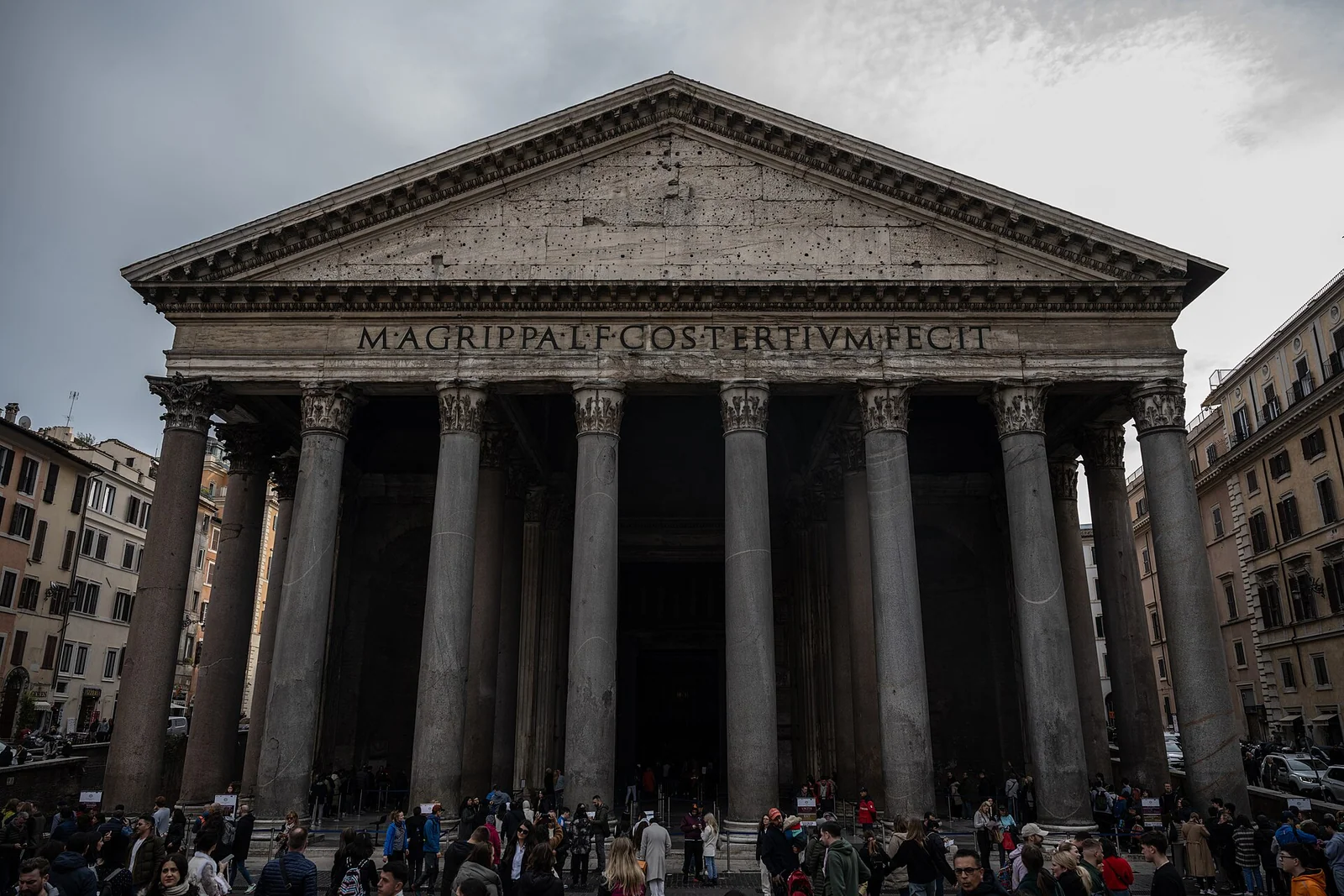
Pantheon: a circle of light
Explore the relationship between the Pantheon's columned entrance and its circular interior. The dome and open oculus remain central to its architectural story.
Photo: Wilfredor, “Colosseum of Rome and Roman forum.jpg”, Wikimedia Commons · CC0. Resized proportionally to 1600 × 947 pixels and converted from JPEG to WebP at quality 85. No crop, retouch or AI generation. · Full photo credits
Discover the Flavian Amphitheatre in Rome's archaeological heart. Its surviving structure tells a story of spectacle, engineering and changing uses.
The Colosseum is the familiar name of the Flavian Amphitheatre, built in the first century under the emperors of the Flavian dynasty. Its scale and repeated arches still communicate the ambition of the building, which once hosted gladiatorial games and animal hunts. The monument's later history is equally important: the official archaeological park describes periods of decline, reuse, excavation and restoration. Reading those layers helps explain why the surviving structure looks as it does today. This guide offers historical context and details to notice when researching the landmark. It does not define an entry route or a particular area of access; the archaeological park's current visitor guidance governs any independently arranged visit.
These descriptions and highlights are reviewed independently. Check the attraction or local tourism authority for current visitor information before making plans.
This is an editorial guide to help you explore. Opening arrangements, entry requirements and current visitor information can change. Check the attraction or local tourism authority before your visit.
No admission ticket, transport or guided service is included with this guide.
Explore the relationship between the Pantheon's columned entrance and its circular interior. The dome and open oculus remain central to its architectural story.